
8-04-2021
Experts believe that by 2030, 67% of consumer interactions will be provided by smart devices. Would it be wrong for brands to trade empathy for efficiency?
Modern technologies have completely reshaped the way people and brands interact with each other. New products, services, consumers and competitors are coming along and evolving.
Buying behavior, preferences, and reasons for frustration continue changing, and technologies will be the main driving force that reshapes the user experience and creates it in a whole new way.
Analysts say that by 2030 there will be a major shift toward automating all interactions with consumers. There is a widespread assumption among respondents that 67% of brand-consumer interactions that involve digital devices will be performed by machines rather than humans. Also, "robots" will automatically make 69% of decisions.
Companies will face the need to strike a balance between human-like empathy and understanding versus the immediate response and action that consumers expect. This is exactly what technologies will provide [data, analytics, machine learning].
Artificial intelligence will allow machines to become more human to the point where they will satisfy consumers and at the same time provide high efficiency for corporations.
According to the survey, 78% of brands believe that today's consumers have difficulties using new technologies when shopping. But only 35% of consumers themselves confirm this. This perception gap could be a factor limiting the growth of brands if they don't reconsider their views.
Furthermore, the second half of 2020 has shifted the focus more strongly to online services, contactless delivery and self-care. 
In fact, the survey shows that consumers expect even more growth in business and service technology by 2030:
Taking into account this willingness to change by consumers, brands can improve the quality of interaction and engagement. In doing so, the gap between consumer technology and marketing technology will need to be bridged.
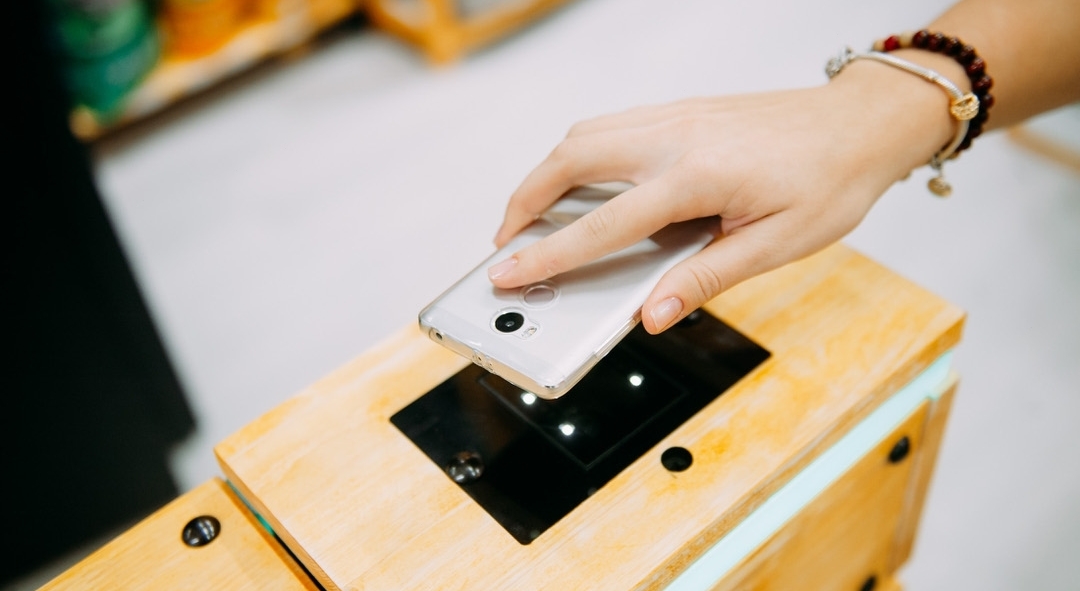
Researchers asked brand executives what "futuristic" technologies they're investing in now in order to meet customer expectations as closely as possible over the next ten years. According to the survey, 62% of brands are investing in voice-activated AI assistants to improve customer experience and interaction.
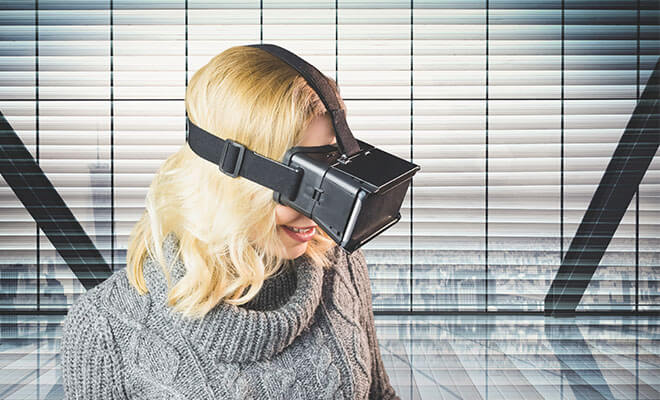
54% of brands are investing in augmented and virtual reality technologies to make it easier for consumers to imagine how they will use a product or service. 53% of companies thus intend to improve the experience of product consumption and build a customer experience in which people can solve some of their problems themselves.
83% are investing or plan to invest in holograms, interactive games and holographic technology for in-store advertising and public events.
As a result, brands will have to rethink their approach to data management, streamline some processes and set up real-time automated decision-making.
58% of brands believe that high quality is the key factor influencing loyalty, while most consumers say price and discounts are [mostly] influential.
Companies agree and believe that AI, machine learning, and predictive analytics will also play a significant role. They hope that in 2030, these technologies will help generate relevant experiences and meaningful relationships with customers, despite the complexity of communication environments and interaction contexts.
Being able to overcome mistrust defines brand success even now. Consumers are concerned about how brands are using their personal data and feel helpless, not knowing how to protect themselves.
Only 54% of consumers believe that their personal information does not leak outside the company it was given to. But in fact, 73% of consumers think their personal information is being used without any control.
Consumers use technologies that make their lives visible to others. So they both expect businesses to understand their individuality and protect their privacy. It's up to brands to find the balance to gain and maintain trust.
If you’re looking for the best colors of commercial equipment, you should first of all focus on the store interior. For example, white shelves do not distract from the goods, […]
14-12-2018
Powder paints for commercial equipment
Business under war is an extremely complicated trial. It’s a challenge for every company, but only the most powerful can cope with it. Even under extreme conditions, in a period […]
24-06-2022
Ustor Resumes Work: Ukrainian Retail Equipment Manufacturer Launches its own Production
Out of 450 advertising materials in the store, customers notice only 15. For a visitor to pay attention to the brand, you need to take care of the quality of […]
8-02-2019
Individual designs: examples from international designers and the Ustor team
The application has been sent!

Our specialist will contact you as soon as possible